In deze blog:
In July 2026, the UK Health Security Agency (UKHSA) issued a briefing on elevated levels of Bacillus cereus in processed linen. The notification concerned linen supplied to hospitals, private healthcare providers and adult social care settings.
The briefing deserves attention, but it also should be interpreted carefully. At the time of publication, UKHSA reported no outbreaks that could be linked to the linen concerned. Nevertheless, the situation highlights the importance of a demonstrably controlled process: from the storage of soiled linen and effective soil removal to the disinfection stage, the management of water flows, finishing and microbiological monitoring of the final product.
Bacillus cereus is a Gram-positive, aerobic, spore-forming bacterium that is widely present in the environment. It is known as a potential cause of foodborne illness. It can also be relevant in healthcare settings, particularly for patients who are more susceptible to infection. Examples include newborn babies, people with reduced immunity, and patients using invasive medical devices such as catheters or intravenous lines.
For laundries, the ability of Bacillus cereus to form spores is particularly relevant. Vegetative bacterial cells can generally be controlled by a well-designed and validated washing and disinfection process. Bacterial spores are a survival form that can be more resistant to unfavourable conditions, including heat and chemical disinfection. As a result, they are generally more difficult to inactivate.
This does not mean that every laundry process must demonstrably kill bacterial spores. It does mean that attention should be paid to:
• The routine disinfection performance against vegetative bacteria
• The specific risks associated with spore-forming bacteria
• The microbiological quality of the finished textile product
• Possible recontamination after washing
The UKHSA briefing identifies warm weather and prolonged storage of soiled linen as relevant conditions. When soiled linen is stored for extended periods in warm conditions, the microbiological load may increase. This can be particularly important where Bacillus species are already present on incoming textiles.
The briefing also refers to water-efficient laundry processes, including continuous tunnel washers (CTWs, also known as continuous batch washers or CBWs), as a possible setting in which heat-resistant spores may not be completely removed. This is not a statement that CTWs are unsafe. Nor does it indicate that the washing machines themselves were contaminated.
The relevant question is therefore not which type of washing machine a laundry uses, but whether the complete process is demonstrably aligned with the organisation’s own risk profile. This includes, among other things:
• The duration and conditions of soiled-linen storage
• The separation of soiled and clean linen
• Water reuse and any recovery-water tanks
• The effectiveness of soil removal, including the influence of textile type, load, wash chemistry and mechanical action
• The applied disinfection conditions, including time, temperature, water levels and chemistry
• Drying, finishing, clean-linen storage and distribution
• The vulnerability of the end user and the intended use of the textile
Assessing the microbiological condition of finished textiles is valuable, but it remains a snapshot in time. If an elevated result is found, a laundry needs to know more than simply that a deviation occurred. It should also be able to determine the conditions under which the relevant textiles were processed.
HTM 01-04, the English guidance on decontamination of healthcare linen, therefore describes a broad approach to validation and process control. Both washer-extractors and continuous tunnel washers should be able to monitor relevant process parameters. Depending on the installation and process design, these may include programme, time, temperature, chemical dosing, load weight, water level or water flow, pH/alkalinity and water hardness.
A robust approach combines four elements:
• Risk assessment: Assess, among other things, soiled-linen logistics, storage duration and temperature, textile type, end-user vulnerability, water reuse, process design, finishing and possible recontamination.
• Process validation: Demonstrate that the selected combination of time, temperature, chemistry, mechanical action, water and load can deliver both effective soil removal and the intended disinfection performance.
• Monitoring of process parameters: Record whether critical process conditions are actually achieved during day-to-day production.
• Microbiological verification: Periodically check processed textiles, relevant process points and, where necessary, the environment, so that unusual trends can be identified at an early stage.
These elements complement one another. No single measurement or test can independently assess the full microbiological risk of a textile washing process.
A DES-controller is a bio-indicator used to assess the microbiological effectiveness of a disinfection process. The test organisms are contained in a semi-permeable package. This allows water, temperature and disinfectants to reach the indicator, while protecting the organisms from being easily washed away or externally contaminated during the test.
After processing, the laboratory determines the level of quantitative reduction achieved for the test organisms.
The standard KT4-6 and KT3-7 DES-controllers contain Enterococcus faecium as the indicator organism. This is a vegetative, non-spore-forming bacterium. A successful result shows that, under the selected conditions, the tested process is effective against this widely used vegetative microbiological challenge.
This is consistent with HTM 01-04. Paragraph 6.124 describes semi-permeable dose strips containing a heat-resistant vegetative bacterium, such as Enterococcus hirae, Enterococcus faecium or Enterococcus faecalis, which should be processed with a normal full production load.
A satisfactory result with an E. faecium DES-controller therefore provides valuable evidence of routine disinfection performance against vegetative bacteria. However, it must not be interpreted as evidence that bacterial spores are inactivated.
The current UKHSA briefing concerns Bacillus cereus, a bacterial species that can form spores. It is therefore important to distinguish between a standard DES-controller using a vegetative indicator and a DES-controller that specifically contains Bacillus subtilis spores.
The DES-controller containing Bacillus subtilis contains bacterial spores. These spores provide a controlled microbiological challenge for assessing the performance of the tested laundry process against the applied B. subtilis spores under the selected test conditions.
A successful result with a DES-controller containing B. subtilis spores shows that the tested washing process is effective against the applied B. subtilis spore challenge under the selected test conditions. This provides additional evidence where the risk assessment identifies a specific need to assess spore-forming bacteria.
However, the result must always be interpreted within the limits of the selected indicator, test design and process conditions. A satisfactory result is not automatically a general guarantee that:
A DES-controller containing Bacillus subtilis spores can be a useful additional biological indicator where spore-forming bacteria are relevant to the organisation’s own risk assessment. Examples include a process change, unusual microbiological trends, warm weather, a complex water-reuse system, or a healthcare customer requesting additional evidence of process performance against spores.
The test does not replace an assessment of the complete process or targeted microbiological monitoring. The result should be evaluated alongside process data, temperature measurements, wash chemistry, water reuse and finished-product monitoring. It is this combined approach that enables sound, evidence-based conclusions.
Temperature is a critical factor in many washing and disinfection processes. HTM 01-04 states that temperature sensors should be accurate and positioned so that they record the actual temperature of the wash water in contact with the load.
The guidance gives, as examples for thermal disinfection, a continuous temperature of at least 65 °C for a minimum of 10 minutes, or 71 °C for a minimum of 3 minutes. Guidance in other countries, including the Netherlands, may prescribe higher temperatures and/or longer holding times for thermal disinfection. The conditions applicable to a specific laundry depend on the selected process validation, textile type, load, process chemistry and the relevant standard or customer requirement.
A temperature logger can help objectively and independently establish which time-temperature conditions are actually achieved in the washing machine. It can show, for example:
• How quickly the temperature rises during the process
• The maximum temperature reached
• How long a specified temperature is maintained
• Whether there are temperature differences between measurement runs or times of day
• Whether the actual temperature profile corresponds with the programmed machine settings
Machine controls and an independent measurement using a separate temperature logger complement each other. The machine control system regulates the process towards the required temperature using a sensor in the machine. A temperature logger placed with the laundry provides additional information on what actually occurs in or close to the textiles. This helps assess whether day-to-day process performance corresponds to the settings programmed into the washing machine.
Water reuse can contribute to lower water and energy consumption However, given the potential risks associated with spore-forming bacteria, it also requires targeted control measures and an explicit process risk assessment.
Microbiological contamination may accumulate in recovery-water tanks, water buffers or other recovery systems if emptying, cleaning and disinfection are not adequately performed or sufficiently aligned with the process load.
The tanks beneath a continuous batch washer are a specific example. Where micro-organisms or spores are present in recovered water and accumulate in such tanks, they may at some point be reintroduced into the washing process. A standard wash programme is not necessarily designed to inactivate all spores under every condition. Consequently, spores may remain on washed textiles under certain conditions.
The cleaning and disinfection of water-reuse tanks should therefore be included in a documented hygiene programme. Record, for example:
• How and how often tanks must be emptied, cleaned and disinfected
• Which inspections and microbiological checks are carried out
• Which action limits and corrective actions apply
Effective disinfection starts with effective cleaning. Before a washing process can deliver reliable disinfection, soils and organic contamination must be sufficiently removed from the textiles.
This is particularly relevant where heavily soiled linen, body fluids or other organic contamination are involved. Soil can partly shield micro-organisms from the action of heat and chemistry. Residual soil may also contribute to recontamination or make microbiological results more difficult to interpret.
Textile hygiene is therefore not determined by temperature or disinfectant alone. Final performance depends on the combined effect of wash chemistry, water exchange, mechanical action, time, rinsing and, where applicable, thermal or chemical disinfection. A process must first remove the relevant soil load effectively and then achieve the intended microbiological reduction. Safe linen is achieved through the combined removal of soils, removal of micro-organisms and microbial inactivation.
A soil monitor can help assess whether a washing process achieves the required level of soil removal under normal operating conditions. Used alongside temperature measurement, DES-controllers and microbiological monitoring, soil monitoring provides additional evidence of overall process performance.
Process validation and continuous process monitoring provide insight into the conditions under which a process operates. However, periodic microbiological monitoring of processed textiles remains valuable as verification of the final result.
This can be particularly relevant during warm weather, following changes to water-reuse conditions or process settings, where incoming textiles have a higher microbiological load, in response to complaints, or where healthcare customers have additional requirements.
RODAC plates are a practical way to monitor the microbiological hygiene of textiles and relevant contact surfaces. Micro-organisms are transferred from the textile or surface onto agar by taking an impression. After incubation, growth and trends can be assessed.
RODAC plates can be used, for example, on textiles, finishing equipment, worktables, transport equipment and other relevant surfaces. A higher total count or rapid, extensive growth does not automatically indicate a specific cause. It is, however, a clear signal to examine the entire chain: incoming textile load, storage, water streams, wash conditions, drying, finishing, clean-linen storage and distribution.
The UKHSA briefing provides a useful opportunity to review your own process control:
• Is soiled linen stored for as short a time as possible and under appropriate conditions, particularly during warm weather?
• Are soiled- and clean-linen flows properly separated?
• Is water reuse included in the risk assessment?
• Are recovery-water tanks and other buffer tanks demonstrably cleaned and disinfected?
• Have time, temperature, water, chemistry and mechanical action been validated for the intended application?
• Is the actual temperature within the load independently measured at appropriate intervals?
• Have both soil removal and the intended disinfection performance been assessed for the relevant textile streams?
• Is the DES-controller used appropriate to the validation question: routine disinfection against vegetative bacteria or an additional assessment using a spore indicator?
• Are processed textiles and relevant contact points periodically checked microbiologically?
• Are microbiological trends followed, with documented action limits and corrective measures?
• Is recontamination after washing, for example during drying, finishing, storage and transport, adequately controlled?
• Has an additional risk assessment been carried out for vulnerable end users or high-risk textiles?
The UKHSA briefing on Bacillus cereus in processed healthcare linen is not a reason for general concern across the laundry sector. It does, however, show that microbiological control is a chain-wide issue. The reliability of the finished product is determined by the interaction between soiled linen, storage, water streams, wash programme, temperature, chemistry, finishing, clean-linen storage and distribution.
CCD supports laundries and healthcare organisations in demonstrating effective process control in practice. This may include risk assessment, process validation, assessment of soil removal using soil monitors, the use of DES-controllers, independent temperature measurement and microbiological verification using, among other tools, RODAC plates.
A soil monitor assesses soil-removal performance; it does not independently demonstrate the microbiological effectiveness of a disinfection process. The different measurement methods therefore complement one another and should be selected according to the relevant process question.
The right measurement method always starts with the right question. A DES-controller containing Enterococcus faecium supports assessment of routine disinfection performance against vegetative bacteria. A DES-controller containing Bacillus subtilis spores can be used as an additional tool where the risk assessment calls for a controlled assessment of process performance against a spore indicator.
A satisfactory result with this spore indicator provides valuable evidence about the tested process under the selected test conditions. However, the result must always be assessed in relation to the indicator used, the process design and the relevant textile and water streams; it is not a general guarantee that every possible Bacillus cereus spore will be inactivated in all practical situations.
CCD provides the practical tools and experience needed to support microbiological control in laundry processes. From soil removal monitors for assessing soil removal to DES-controllers for process verification, temperature loggers and microbiological monitoring tools, our range helps laundries collect reliable information on process performance.
The right combination depends on the validation question, process design and intended use of the textiles. CCD’s DES-controllers, temperature loggers, soil monitors and RODAC plates support a structured, risk-based approach to process control and verification.
In deze blog:
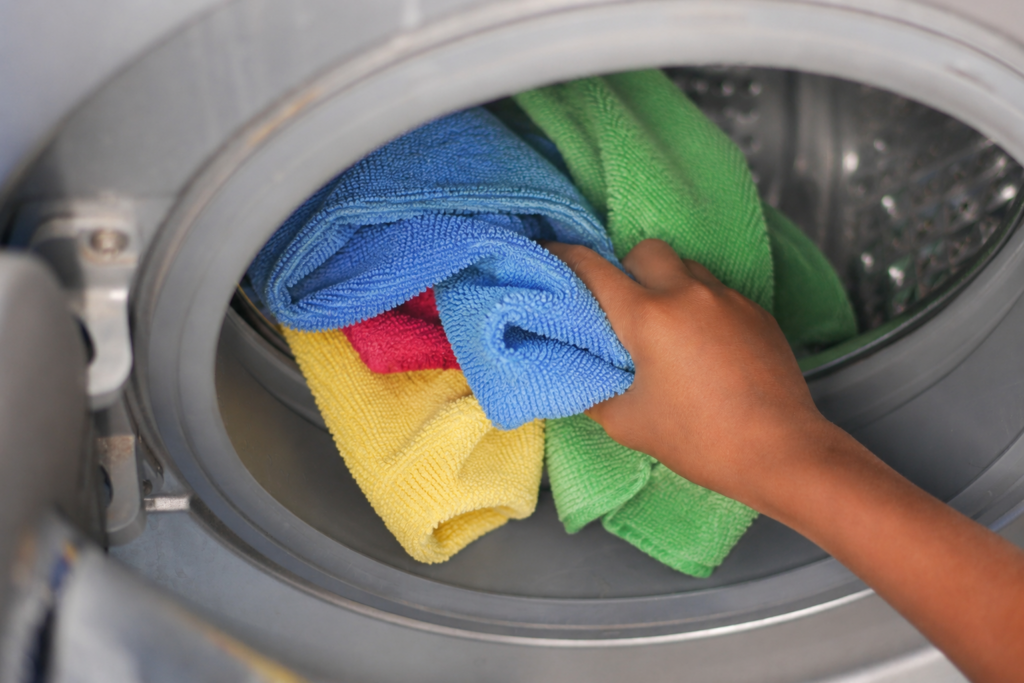
Microfibre cloths and mops are indispensable in professional cleaning. They remove soil effectively, support efficient cleaning methods and form an important part of many cleaning systems.
However, washing microfibre involves more than selecting a laundry programme. After use, microfibre cloths and mops must not only be washed; the process must also be shown to leave them clean and, where required, disinfected.
Setting a washing programme to 60, 70, 80 or 90°C is not the same as establishing that the material has reached that temperature, for long enough and under the correct process conditions. In this article, we explain what a professional microfibre laundry process should achieve and how its performance can be assessed objectively.
Microfibre materials generally consist of very fine synthetic fibres, often polyester combined with polyamide. This fine fibre structure creates their well-known cleaning properties: soil and moisture are captured and retained within the material’s large surface area and fine structure.
At the same time, this structure makes microfibre sensitive to an incorrectly designed washing process. Detergent or cleaning chemical residues, unsuitable detergents and excessively high drying temperatures can negatively impair the performance and service life of microfibre materials.
Important considerations when washing microfibre cloths and mops include:
Choosing the right cleaning materials, washing machine and laundry chemicals is important. However, a reliable outcome is only achieved when the entire process is properly controlled.
When assessing a washing process for microfibre cloths, disinfection at a temperature of at least 60°C is often the first requirement mentioned. That is understandable: microfibre cloths and mops are used to clean a wide range of surfaces and must not become a source of cross-contamination during cleaning.
Nevertheless, disinfection is only one part of the desired result.
A process may perform adequately from a microbiological perspective while still falling short if visible or invisible soil is not removed sufficiently. During use, microfibre materials are exposed to dust, skin flakes, grease, organic contamination and other particles. These contaminants must be washed out of the material; temperature alone is not enough.
A good microfibre laundry process should therefore answer at least two questions:
A short or water-saving cycle may appear efficient, but it does not automatically provide sufficient time, mechanical action and rinsing stages for heavily used mops and cloths. Effective rinsing is particularly important for microfibre, as it helps preserve the material’s cleaning performance.
In practice, we regularly see assessments of a laundry process stop at the programme selection: “The washing machine is set to 60°C.”
That alone does not provide enough information.
The temperature shown on the display or selected in the programme does not always match the actual temperature inside the drum or within the textiles. The amount of time that the laundry remains at or above the required temperature is also critical. In addition, loading size, water level, detergent dosage and the sequence of rinsing stages all influence the final result.
For thermal disinfection, therefore, it is not simply one temperature value that matters. What is required is a demonstrable combination of time and temperature.
Anyone who wants to know how a microfibre washing process actually performs needs to measure the temperature inside the machine or have it measured. This usually cannot be done with a simple thermometer. Taking a water sample from the machine is often impractical, while measuring the outside of the drum provides insufficient insight into the temperature experienced by the textiles during the cycle.
A calibrated temperature logger provides a practical solution. The logger can be washed together with the load and records the temperature throughout the entire wash programme. The resulting data provide objective evidence of:
This information provides significantly more certainty than a programme setting or verbal confirmation alone. It enables targeted improvements based on measured data rather than assumptions.
Laundry technology continues to evolve. New washing processes can achieve good disinfection results at lower temperatures, potentially creating opportunities to reduce energy consumption.
At the same time, the disinfecting performance of such processes can no longer be assessed solely on the basis of the measured temperature. It becomes especially important to establish whether the intended microbiological reduction has actually been achieved.
That is why CCD evaluates these processes using our DES Controller. This enables us to assess the microbiological performance of the laundry process and determine whether the intended microbial reduction has been achieved. Combined with temperature monitoring, it provides a complete picture of process’s performance.
A reliable microfibre laundry process involves more than a washing machine, a programme and a dryer. The procedures for handling soiled and clean textiles, machine loading, chemical dosing, rinsing stages and the risk of recontamination after washing all affect the final result.
CCD is increasingly asked to assess and validate microfibre washing processes objectively. We do not look at disinfection in isolation; we assess the entire process involved in washing microfibre cloths and mops.
Whether in an industrial laundry or an on-premise laundry within a hospital or healthcare facility, validation helps objectively demonstrat that the process performs correctly and consistently over time.
Cleaning with microfibre materials can only remain effective when the washing process for those materials is properly designed, controlled and verified.
Assuming that a washing programme works simply because it was set up that way in the past is not process control. Process control means measuring, assessing and, where necessary, optimising the process.
Would you like to know how your washing process for microfibre cloths and mops performs? Contact CCD for a no-obligation discussion about the available options.
In deze blog:

A towel, bathrobe or item of bed linen may arrive at the laundry looking clean, with perhaps only slight yellowish or greasy discolouration. However, after washing, striking pink, red, brown or rust-coloured stains may suddenly appear. Because the discolouration only becomes visible during the wash process, identifying its cause is not always straightforward. Pink or brown stains appearing after washing are often caused by a combination of product residues, water quality and process conditions.
This is a particular risk for laundries serving hotels, resorts, wellness facilities and cruise ships. Guests protect themselves from harmful UV radiation and use a wide range of sunscreen brands and product types. Their composition varies from product to product, while the textiles involved are often white or light-coloured and undergo frequent or intensive washing. The question is therefore not only how an existing bright-pink or brown stain can be removed, but more importantly: can our laundry process remove sunscreen residues effectively before they cause problems?
Recent scientific research from Durham University provides more insight into a striking phenomenon: red discolouration of textiles during washing the study identified a reaction between sodium hypochlorite (NaClO) and Diethylamino Hydroxybenzoyl Hexyl Benzoate (DHHB), a widely used organic UVA filter in sunscreen products, as a possible cause of this red discolouration.
Sodium hypochlorite is a commonly used bleaching agent in wash programmes for white or light-coloured textiles. Under certain conditions, it reacts with residual UV filter present in the textile. The reaction produces a chlorinated compound with an intense red colour. The researchers demonstrated that this discolouration is not simply a superficial stain, but the result of a chemical transformation of a sunscreen ingredient.
This explains why textiles can appear reasonably clean before washing, while intensely coloured stains may suddenly become visible afterwards. This can lead to additional treatment, rewashing or the rejection of affected textiles.
Based on the above, bright-pink stains may be associated with sunscreen residues in textiles and a chlorine-containing bleaching step during washing. However, not every discolouration caused by sunscreen residues has the same chemical background.
Sunscreen residues can also contribute to yellow, brown or rust-coloured discolouration. In such cases, this may be related to metal ions such as iron or copper, which may originate from water, pipework, the textile itself or laundry equipment.
When additional stains appear in textiles, it is therefore important not to immediately assign one specific cause. A sound assessment starts with questions such as:
A pink stain is therefore not automatically proof of one specific cause. It is, however, a clear reason to assess the laundry process critically and systematically.
In practice, a problem often becomes visible only after textiles have been washed, dried and sorted. This can result in rewashing, textile rejection, customer complaints, discussions about shortages and possible replacement costs. These consequences can quickly accumulate and have a significant financial impact.
The most valuable question is therefore not only: “How do we remove this pink stain?” A better question is: “Can we determine in advance whether our wash programme removes sunscreen residues sufficiently, and whether our process conditions create a risk of unwanted discolouration?”
A reproducible test is required to answer that question. Only then can processes be compared objectively, for example after a change in detergent dosage, process time, temperature, water quality, load size or bleach type. Testing with randomly used textiles is of limited value, as the amount of contamination, the sunscreen product used and the age of the stain will vary every time.
At CCD, our goal is to give professional and industrial laundries around the world the tools to measure the performance of their laundry process objectively. As part of that mission, we are developing a dedicated stain test cloth for sunscreen-related stains and discolouration. The objective is to provide laundries with reproducible data on both the removal of sunscreen residues before discolouration occurs and the risk of visible discolouration within their own processes.
Consider the following practical situation: during peak season, a hotel laundry receives large quantities of white towels. Guests use a variety of sunscreen products, and textile rejection or additional wash cycles caused by pink or brown stains can create significant operational challenges.
Using a standardised stain test cloth, the effect of the laundry process on different types of sunscreen contamination can be assessed before the peak season begins. The assessment does not only consider whether discolouration occurs, but also the extent to which the original sunscreen residues are removed from the textile.
This can support:
Sunscreen stains and bright-pink or brown discolouration are good examples of problems that only become visible when several factors come together: the sunscreen product used, wash-water quality, the removal of sunscreen residues during the first phase of the wash programme, and the bleaching agent applied.
It is therefore important to assess the process proactively rather than responding only after stains have appeared. By monitoring laundry-process performance with suitable test materials, it is possible to establish earlier whether sunscreen residues are being removed and whether there is a risk of unwanted discolouration.
Through the development of this new stain test cloth, we aim to help laundries, hotels, wellness facilities, resorts and cruise operators identify risks more effectively, assess their processes objectively and achieve measurable improvements in stain removal. Would you like to know how effectively your laundry process removes sunscreen residues and manages the risk of discolouration? Please contact us. We would be happy to tell you more about options available for objectively assessing your wash programme.
Smith, L.G. et al., An unexpected chlorination of an organic sunscreen, Chemical Communications, 2025. The full article can be found via the following link https://pubs.rsc.org/cc/article/61/51/9314/882434/An-unexpected-chlorination-of-an-organic-sunscreen?silentauthchecked=true
In deze blog:

Diesel fuel that is stored for extended periods can be affected by microbial contamination. In practice, this is often referred to as diesel bug, diesel bacteria or microbial growth in diesel fuel. This contamination can lead to sludge, blocked fuel filters, corrosion, engine problems and unplanned downtime. That makes diesel bug relevant for organisations operating standby generators, vehicles, machinery, fuel storage facilities and vessels. With effective fuel management, control of water in the tank and routine microbiological screening, potential problems can often be identified at an early stage. Dipslides can play a practical role in this process.
Diesel bug is not the name of one specific bacterium. The term is used to describe microbial growth in diesel fuel and fuel systems. This may involve bacteria, yeasts and moulds. Growth mainly occurs when water is present in a diesel tank. Micro-organisms develop particularly at the interface between water and fuel. Long-term storage, condensation, contaminated fuel or leaking seals can all contribute to water entering or accumulating in a tank. The consequences are not always immediately visible. A tank may appear to be in good condition from the outside, while water, sediment and microbial growth accumulate at the bottom.
Micro-organisms can multiply and form slimy deposits, sediment and biofilm. These deposits can spread through fuel lines, filters and other parts of the fuel system.
Possible consequences include:
When sludge or sediment at the bottom of a tank is disturbed, for example, by the movement of a vehicle, vessel or machine – contamination can quickly be carried towards the fuel filter, increasing the risk of blockage.
Diesel bug can occur in any diesel tank where water and fuel are present together. The risk is particularly relevant when diesel is stored for long periods, when an installation is used infrequently, or when business continuity depends on reliable fuel.
Examples include:
The same principle applies across all these applications: the longer diesel is stored, and the harder it is to monitor water and sediment, the more important preventive monitoring becomes.
Dipslides are plastic paddles coated with culture media on which micro-organisms can grow. After sampling and incubation, dipslides provide a practical indication of the microbiological load present. For diesel and fuel applications, dedicated dipslides can be used to monitor bacteria as well as yeasts and moulds. This makes them suitable for preventive screening and trend monitoring.
Dipslides can be used for:
A dipslide is not a full fuel analysis or a technical diagnosis. However, it can provide a straightforward and practical first indication of whether microbial growth may be contributing to a problem.
Also read our step-by-step guide to bacterial monitoring with dipslides and view our range of dipslides.
The quality of microbiological monitoring depends greatly on the sampling method. Microbial growth is not always evenly distributed throughout a tank. It is most likely to be found in water, sediment or at the interface between water and diesel. Where it is safe and practical to do so, take a sample from:
Always record the tank, location and date of the test. Also note any unusual observations, such as water, sediment, discolouration, odour, visible sludge or a blocked filter. Recording results over time provides a useful trend analysis.
An abnormal dipslide result indicates that microbial growth may be present. This is a reason to assess the condition of the tank and the fuel system more broadly.
A logical follow-up approach is:
Adding a biocide alone is not always sufficient. In more serious cases, water removal, tank cleaning, filtration and replacement of fuel filters may also be necessary.
Prevention starts with limiting water in the fuel system and monitoring fuel condition on a structured basis. Practical measures include:
Water management is essential: microbial growth in diesel depends strongly on the presence of water.
Would you like to test stored diesel, a fuel tank or a water separator for microbial contamination? CCD recommends the DP01 dipslide, which is suitable for detecting bacteria, yeasts and moulds.
We can also supply a compact, calibrated incubator, allowing you to carry out routine testing easily in-house.
In deze blog:
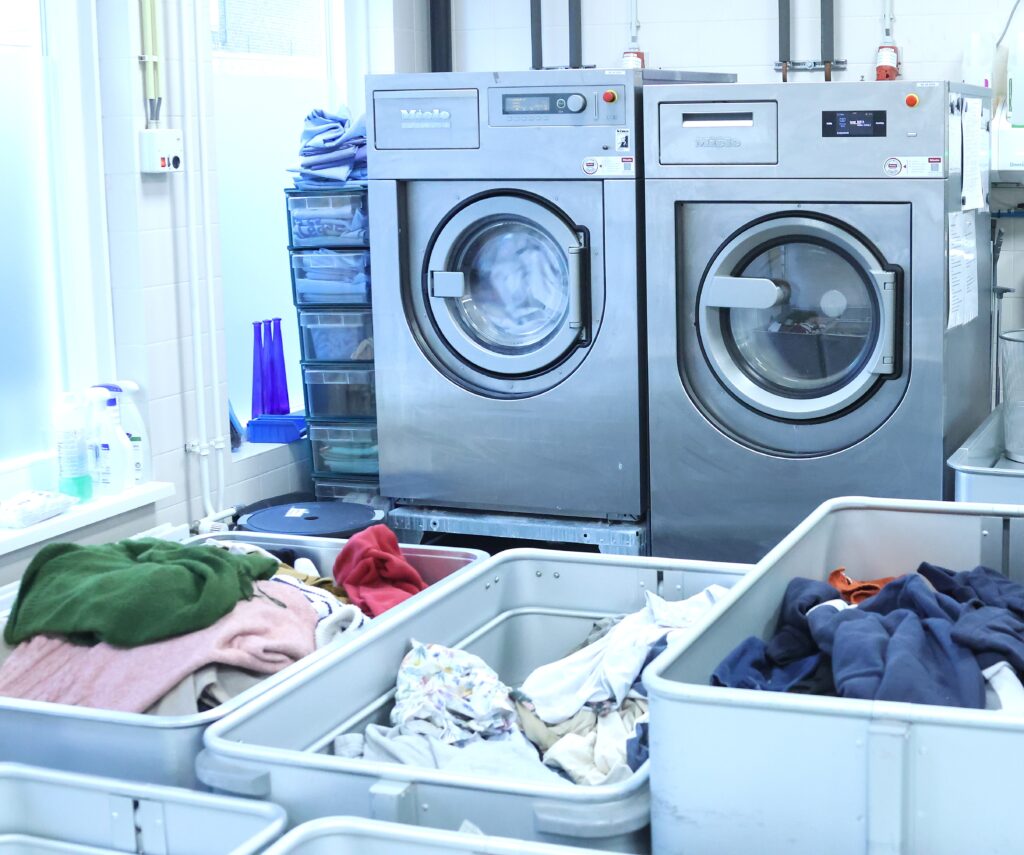
MRSA infections and outbreaks are receiving increasing attention in the Netherlands, particularly among residents of reception centres and people who have recently been admitted to healthcare facilities abroad. At the same time, safe textile hygiene is high on the agenda of healthcare organisations and professional laundries: bed linen, clothing and towels must not become a source of antibiotic-resistant bacterial transmission.
In this blog, we explore the relationship between MRSA and Staphylococcus aureus, how log reduction works in laundry processes, and the role that process validation with bio‑indicators (DES‑controllers) and hygiene monitoring with dipslides or contact plates on Baird Parker Agar (BPA) play in controlling risks associated with textiles.
Staphylococcus aureus is a common skin bacterium that many people carry on their skin and in their noses, often without any symptoms. Under certain conditions, however, this bacterium can cause infections, for example in wounds, at intravenous lines or in people with weakened immune systems.
MRSA stands for methicillin‑resistant Staphylococcus aureus: it is S. aureus that has become insensitive to a number of commonly used antibiotics. The bacterium itself belongs to the same species, but with an additional property – antibiotic resistance – that makes infections harder to treat.
When it comes to laundry, a crucial point is that MRSA and other S. aureus strains behave in the same way under the physical and chemical conditions encountered during laundering (temperature, mechanical action, detergent chemistry). The resistance relates to antibiotics, not to heat or standard detergent conditions.
For evaluating laundry processes, this is a key starting point: once you understand that MRSA is a variant of S. aureus, you can use S. aureus as a relevant indicator organism to objectively measure how effective your laundry process is against this group of bacteria.
In healthcare and reception settings, the risk of transmitting micro‑organisms is increased. Residents and clients frequently have skin and hand contact with their environment and with textiles. Typical examples include:
When residents carry S. aureus or MRSA, these bacteria can be transferred to textiles. If dirty laundry is not managed safely, if logistics between clean and dirty textiles are insufficiently separated, or if the laundry process itself is not effective enough, textiles can become a source of transmission.
The question “Is my laundry process safe enough?” is therefore not a detail, but a core question within infection prevention.
To objectively assess the effectiveness of disinfection during a laundry process, log reduction is often used as a measure of bacterial reduction. This compares the number of viable bacteria before and after the process.
In practice, a 6 log reduction corresponds to a 99.9999% reduction of the bacteria present. A 7 log reduction means that 99.99999% are demonstrably killed. For vegetative bacteria such as S. aureus, such high log reductions are regarded in standards and guidelines as levels that fit the definition of disinfecting processes.
Many organisations rely on temperature settings, programme duration, and detergent dosing to ensure textile hygiene. While these parameters are important, they do not prove what happens to micro‑organisms. True process certainty requires an extra step: objective and independent testing with bio‑indicators.
A DES‑controller for laundry processes is a unique bio‑indicator that, thanks to its semi‑permeable membrane, can be used completely safely and also prevents the measured reduction in micro‑organisms being due merely to wash‑off instead of actual microbial inactivation. The KT10‑STEF DES‑controller contains a standardised amount of Staphylococcus aureus on a test carrier. By washing this bio‑indicator together with a representative laundry load, you know:
With regular, repeated measurements, it becomes clear whether the laundry process performs consistently well, including under varying load conditions. This provides far stronger evidence than simply reading the programme settings or relying on the assumption that “we always wash at 60°C”.
Because MRSA is a variant of Staphylococcus aureus, it is logical in situations with increased MRSA risk to use S. aureus – alongside other indicator organisms – as a key test organism when assessing laundry processes. It is then essential to be precise about what the measurements do and do not show.
At the same time, it is important to acknowledge that MRSA control is much broader: screening, isolation measures, hand hygiene, antibiotic stewardship, and environmental cleaning all play a role. Laundry process validation is one crucial link in that chain, not the only measure.
Process validation with a DES‑controller shows how the laundry process performs. In daily practice, you also want to verify whether Staphylococcus aureus is truly absent or effectively controlled at critical points. For that purpose, dipslides with Baird Parker Agar (BPA) are suitable.
Key points:
In the context of textile hygiene and laundry processes, this means that you can:
This creates a combination of process validation and practical hygiene monitoring.
For laundries, healthcare organisations and reception centres, this microbiological framework means that, when aiming to safeguard hygiene and reduce MRSA outbreak risks, it is useful to:
This way, you gain insight not only into what your laundry process is supposed to do, but also into how hygiene is demonstrably safeguarded in practice.
Would you like to know whether your laundry process achieves a safe log reduction of Staphylococcus aureus, and how you can practically monitor hygiene further down the chain?
Contact us for an exploratory discussion about process validation and hygiene monitoring, visit our product pages for more information about available DES‑controllers and BPA dipslides, or consider involving our infection prevention specialist to take a broader look at the measures in place within your organisation.
In deze blog:

Hygiene checks are essential to ensure safety and quality in industries such as food production, healthcare, catering, large kitchens, as well as education and childcare organizations. Various methods exist to assess cleanliness levels, each with specific characteristics, advantages, and applications. In this blog, we explain the differences between three commonly used techniques: ATP testing, dipslides, and RODAC plates. This insight helps you determine which method best fits your hygiene management approach to comply with HACCP principles, cleaning protocols, or hygiene and infection prevention guidelines set by public health authorities such as the GGD.
ATP stands for adenosine triphosphate, a molecule present in all living cells. ATP testing uses rapid swabs that detect ATP on surfaces. This involves a chemical reaction that produces light; the intensity of the light correlates with the amount of ATP and thus the degree of biological contamination.
The main advantage of ATP testing is that it delivers results within seconds and can be immediately applied for quick cleaning verification. It is effective in detecting dirt and organic material that may support microbial growth, thereby posing a risk for cross-contamination.
An important consideration is that ATP testing does not differentiate between microbial species and does not provide exact counts. It provides a snapshot of the overall contamination status and is especially suitable for daily, fast assessments.
ATP testing is well-suited for hygiene monitoring in workplaces, food preparation areas, and equipment, where immediate insight is needed to take corrective actions swiftly. To confirm microbiological cleanliness, additional hygiene monitoring using dipslides or RODAC plates is often required.
Dipslides are plastic strips coated on one or both sides with culture media for bacteria or fungi. To use, the strip is dipped into a liquid or pressed onto a surface, then incubated.
After incubation, microbial growth appears on the medium, indicating bacterial presence. Dipslides are simple, easy to use, affordable, and offer a practical indication of microbiological hygiene. Regular dipslide monitoring can track trends in microbial contamination.
The downside is that dipslides are generally less quantitative than RODAC plates. They do not provide exact colony-forming unit (CFU) counts per surface area and are mainly used for indicative monitoring where quick information is needed, but quantitative data is not essential.
Dipslides are suitable for practical applications where a simple microbiological indication suffices, such as in corporate canteens, childcare centers, swimming pools, dental practices, and also in agricultural settings like dairy farms or poultry houses.
RODAC stands for Replicate Organism Detection and Counting and refers to petri dishes with convex culture media. This method involves pressing the plate directly onto a surface to be tested for microbial contamination.
After incubation, the colony-forming units (CFU) can be accurately counted, providing quantitative and reproducible data on microbial load. This makes RODAC plates the gold standard for microbiological monitoring.
This method is often used in formal hygiene audits, quality controls within VSR guidelines, HACCP systems, and where certification is required. RODAC plates are ideal for hard, flat surfaces but less suitable for liquids or irregular surfaces.
Proper sampling, storage, and incubation times are essential to guarantee reliable results. Professional training in sample collection and result interpretation is a key success factor.
| Feature | ATP Testing | Dipslides | RODAC Plates |
|---|---|---|---|
| Measurement type | Rapid, indicative, biochemical | Microbiological, indicative | Microbiological, quantitative |
| Result time | Seconds | 24-48 hours incubation | 24-48 hours incubation |
| Quantitative info | No | Limited | Yes, exact CFU per cm² |
| Surface type | Various, including irregular | Liquids, surfaces | Hard, flat surfaces |
| Certification and audits | Not suitable | Limited suitability | Highly suitable |
| Application | Daily quick checks | Trend monitoring, indicative control | Formal quality control, audits |
The choice of the appropriate method depends on the hygiene monitoring objectives, risk level, regulatory framework (e.g., VSR, HACCP), and available resources. ATP testing offers rapid insights for daily operational checks, dipslides provide practical indication without high costs, and RODAC plates deliver the most reliable data when strict standards and quantitative validation are required.
Accurate hygiene monitoring is key to operational reliability and confidence in the quality and cleanliness within your organization. Want to learn more about hygiene controls and the possibilities of RODAC plates, dipslides, and ATP testing? Request a free consultation with our specialists and take the next step towards sustainable cleaning quality and trustworthiness.
In this blog:

In healthcare, food processing, and industrial environments, maintaining consistently clean and demonstrably sanitized rooms is essential to prevent contamination and infections. At a time when labor resources are increasingly scarce, hydrogen peroxide (H2O2) room disinfection offers a significantly less labor-intensive, residue-free and sustainable alternative to traditional disinfection methods. Using advanced bio-indicators like the DES-controller, the effectiveness of room disinfection can be objectively and reliably verified.
Hydrogen peroxide room disinfection involves dispersing a fine, dry vapor of H2O2 throughout an enclosed space. This vapor reaches even hard-to-access areas, effectively killing microorganisms such as bacteria, viruses, and fungi in those difficult-to-reach spots. The vapor spreads evenly and dries quickly, preventing surfaces from becoming wet and avoiding damage to sensitive materials.
This technique reduces the microbial load in production and care spaces, preventing pathogens from posing risks to product safety and personnel health. Because no harmful residues remain, it is safe and effective for use in areas containing sensitive equipment or materials, such as food industry facilities, hospitals, and laboratories.
Performing room disinfection is only the first step; demonstrating its effectiveness is crucial. The DES-controller is a bio-indicator specifically designed to accurately measure the level of microbial reduction achieved during room disinfection. This device contains bacteria protected by a semi-permeable membrane that allows hydrogen peroxide vapor to pass through without exposing the user to the bacteria. Often, Geobacillus stearothermophilus is used as the indicator microorganism, providing reliable and reproducible results.
After disinfection, the DES-controller is analyzed in a laboratory to verify compliance with normative disinfection standards. This enables organizations to meet strict regulatory requirements and internal quality standards such as the Dutch SRI guidelines for cleaning and disinfection of care environments.
In practice, peroxide test strips or open contact plates are often used to check whether hydrogen peroxide vapor has reached critical areas. Test strips change colour upon contact with H2O2, providing a visual indication of the disinfectant’s presence.
While useful as a preliminary check for vapor presence, these methods do not measure actual disinfection effectiveness. Colour change does not indicate the extent of microbial reduction or whether the disinfection process sufficiently killed microorganisms, potentially giving a false sense of security.
Open contact plates can be cumbersome, carry risks of cross-contamination, and may lead to inaccurate results. The DES-controller overcomes these issues by enclosing the microorganisms within a semi-permeable membrane, allowing safe handling and accurate, contamination-free assessment of disinfection performance.
According to the SRI guidelines, hydrogen peroxide may be used for disinfecting spaces requiring full decontamination. The product must comply with recognized standards and approvals, and the disinfection process must ensure all surfaces are adequately exposed to the disinfectant for the required contact time.
This method is applicable only in unoccupied spaces. It requires careful preparation, such as opening enclosed cavities and temporarily sealing ventilation openings, to ensure optimal vapor distribution. Although initially more costly and labor-intensive than standard cleaning, this approach reduces human error and provides a controlled, dependable disinfection method.
In addition to hydrogen peroxide, we also recognize UVC light as a valuable alternative method for surface disinfection in critical environments such as healthcare settings. UVC disinfection uses ultraviolet light with a short wavelength to damage the DNA and RNA structures of microorganisms, preventing their reproduction and leading to their inactivation.
This method is particularly effective for rapid, chemical-free disinfection of surfaces and medical equipment, including hard-to-reach areas where traditional cleaning may fall short. Research has shown that UVC can significantly reduce pathogen levels and contribute to lowering hospital-acquired infection rates.
However, UVC has limitations: its disinfecting power diminishes greatly in shadowed or covered areas, and safety precautions are necessary due to risks of skin and eye damage. Therefore, UVC is often used as a complementary technology rather than a replacement for existing cleaning and disinfection protocols.
If you want to learn more about how the DES-controller can help you objectively validate hydrogen peroxide room disinfection performance, please contact us.
In this blog:

A professional dishwasher does not operate like a domestic appliance. The layout, wash cycles, and particularly temperature and disinfection steps are designed to achieve controlled hygiene outcomes. According to standards such as HACCP and the Dutch SRI guidelines for cleaning in healthcare, disinfection must be measurably demonstrable. Relying solely on temperature registration or adherence to settings is often insufficient; the key question remains whether biological agents are effectively eliminated in every cycle.
Risks can arise from factors such as:
The role of control according to HACCP and legislations like SRI guidelines is clear: disinfection must be demonstrably effective to prevent contamination. In practice, trusting only temperature or time registration within the dishwasher often falls short. This calls for a reliable testing method that can independently confirm, regardless of the dishwasher or chemical supplier, that chemical or thermal disinfection is correctly executed.
The DES-controller is a bio-indicator specifically developed for the safe and objective assessment of disinfection and sterilization processes. Thanks to its unique membrane, which prevents microorganisms from being washed away, the DES-controller is highly suitable as a bio-indicator in professional dishwashers. The DES-controller contains resistant microorganisms such as Enterococcus faecium and/or Staphylococcus aureus, applied in various quantities on carriers, which are killed once the required time, temperature, and disinfectant concentration are reached.
Advantages of the DES-controller:
In addition to using bio-indicators, employing a temperature logger is an effective way to monitor the temperature profile of the dishwasher – and hence its thermal disinfection performance. Because the temperature logger continuously measures and logs the exact temperature throughout the entire dishwasher cycle, it provides precise information on whether the required disinfection temperatures were reached.
The use of a temperature logger is ideal for:
Besides effective disinfection, performance in soil removal is also critically important. When cleaning dishes, pans, and kitchen utensils, soil must be thoroughly removed before disinfection can take place. CCD offers possibilities to objectively measure soil removal using various standardized soiling types. This allows healthcare facilities – or suppliers of professional detergents or dishwashers – to gain objective insights into the actual cleaning performance of their detergents and machines, enabling targeted identification of potential improvements. More information about this method will soon be available on our website. Those interested in learning more or seeking initial advice are encouraged to contact us.
Professional dishwashers in healthcare facilities are crucial for removing biological agents and preventing infection risks. Relying solely on machine settings or log files is insufficient. Integrating the DES-controller and a temperature logger into routine maintenance and periodic quality control of dishwashers significantly strengthens food safety and patient safety. This adds an extra layer beyond standard recordings and prevents unnecessary risks caused by insufficient disinfection.
An objective and detailed view of the performance of the cleaning and disinfection process helps infection prevention specialists to ensure the reliability of the dishwasher procedure and make substantiated adjustments if necessary.
In this blog:

Listeria monocytogenes is a pathogenic bacterium that ranks among the most persistent challenges in the food industry. What makes this pathogen particularly concerning is its ability to survive and grow at low temperatures, such as those found in refrigerators between approximately 4 and 5 °C. This capability makes Listeria a serious threat to chilled, pre-packaged foods including fresh-cut vegetables, soft cheeses, fish products, and ready-to-eat meals. Due to the severe health risks – especially for vulnerable groups such as pregnant women and the elderly – regulatory authorities like the Dutch Food and Consumer Product Safety Authority (NVWA) and European agencies maintain a strong focus on controlling Listeria contamination.
For producers, this means increased pressure to prevent or quickly detect contamination within their production environments. Listeria can adhere to hard-to-clean machine parts and surfaces, making it difficult to remove by standard cleaning procedures. In addition to strict compliance with hygiene and sanitation protocols, regular in-house microbiological monitoring is crucial. This not only helps producers meet legal requirements but also directly contributes to minimizing risks, avoiding costly recalls, and protecting brand reputation.
Dipslides offer an effective and straightforward tool for frequent microbiological hygiene monitoring. Our specially developed Listeria-selective dipslides enable targeted testing for the presence of this bacterium on surfaces, equipment, or water. Without requiring complex lab equipment or specialized knowledge, employees can quickly gain indicative insights into potential contamination. This preventive monitoring serves as a valuable supplement to mandatory external audits and supports producers in proactively managing food safety within their operations.
Beyond indicative control using dipslides, there is growing demand for immediate and reliable confirmation of Listeria detections. A recent innovation from one of our partners addresses this need by enabling revolutionary real-time pathogen detection. Utilizing advanced LAMP technology, LoopiX delivers guaranteed reliable results within 90 minutes without requiring a pre-enrichment phase (a pre-enrichment phase is the stimulation of microorganisms to grow for detection and further research). This mobile and user-friendly device can be easily implemented in-house, allowing producers to respond quickly to possible contaminations and effectively safeguard food safety. In addition to detecting Listeria monocytogenes, LoopiX also enables rapid and reliable detection of Salmonella spp. using the same advanced technology.
By combining dipslides and LoopiX, your company gains a powerful set of testing tools. Dipslides are ideal for frequent, preventive hygiene checks, while LoopiX provides fast and trustworthy confirmation when needed. This approach ensures compliance with stringent legislation, minimizes food safety risks, and prepares your business to act swiftly and decisively in the event of Listeria contamination.
Listeria monocytogenes remains a current and complex challenge within the food industry. A proactive approach using appropriate monitoring tools like our selective dipslides and innovative detection solutions such as LoopiX strengthens food safety within your organization. This ensures reliable, fast, and user-friendly solutions that not only improve your internal quality control but also guarantee consumer safety.
Would you like to know which dipslides best suit your needs or receive more information about LoopiX? Explore our extensive product range or contact us for expert advice.
In this blog:

In today’s cleaning industry, delivering visible results is no longer enough. Quality control has become crucial for sustainable facility hygiene. The VSR Quality Measurement System (in NL known as VSR-KMS) is an industry-leading tool used by professional cleaning companies to objectively measure cleaning performance and systematically verify outcomes. But what truly sets VSR cleaning audits apart? And how do they contribute to the ongoing improvement and professionalization of cleaning services?
Many facility managers and cleaning providers may not realize that the VSR-KMS was developed alongside TNO, the distinguished Dutch research institute. Interesting fact: one of CCD’s founders participated directly in this collaboration. This partnership ensured that the VSR measurement system is built on reliable, scientifically validated methods and standardized criteria, delivering results that are both representative and reproducible. The VSR system goes beyond subjective visual inspection, providing actionable data that can guide real improvements in cleaning operations.

True cleaning quality is more than our eyes can see or what feels clean. With VSR, cleaning audits assess multiple factors: from dust and dirt residues to microbiological contaminants. The standardized measurement methods help detect deviations that traditional checks could overlook. Cleaning service providers not only deliver visibly clean results but also demonstrate compliance with stringent hygiene standards, including local and industry-specific regulations.
VSR cleaning audits begin with a rigorous visual assessment of cleaning quality, objectively checking surfaces for dust, fingerprints, major contamination, and the correct placement of critical supplies like soap and towels. Using standardized inspection lists within the VSR-KMS, the audit provides an independent and uniform judgment about cleanliness levels.
Visual inspection is just the start. VSR checks also identify methodological errors, overlooked critical elements, and trends in cleaning quality over time. Advanced techniques such as ATP testing for microbiological contamination and UV light inspections for invisible residues offer a comprehensive audit approach. This combination of methods ensures both visible and invisible contaminants are systematically monitored.
Built on a scientifically supported framework, VSR cleaning audits provide a complete and reliable overview of cleaning quality, enabling facility managers and cleaning companies to safeguard and continuously improve their hygiene standards.
Quality control is more than an afterthought. It is an integral part of the cleaning process. With the VSR Daily Quality System (in NL known as VSR-DKS), supervisors have a powerful tool to monitor cleaning quality in real time, not just periodically. This facilitates rapid corrections when deviations are detected, reduces errors, and increases engagement among cleaning teams. The results are continuously improved outcomes and higher client satisfaction.
For facility managers, VSR cleaning audits offer a solid, objective foundation to document, verify, and report cleaning quality agreements. Cleaning moves from being a ‘black box’ to a transparent process with clear performance data. This transparency makes it possible to refine contracts, set clear expectations, and maintain realistic, achievable quality targets that support sustainable partnerships.
The cleaning sector faces major challenges, including sustainability requirements, energy efficiency, and labor shortages. VSR cleaning audits can fulfil a crucial role in tackling these issues by making processes measurable and optimizing operations. Innovations such as digital dashboards and advanced data analytics further enrich VSR data, making quality management more user-friendly and effective. VSR serves not just as the backbone of reliable quality assurance, but also as the foundation for modern, future-proof cleaning management.
Are you looking to have your facility’s cleaning quality objectively and reliably assessed through a VSR cleaning audit? Or do you want to train your cleaning staff in effective cleaning methods guided by precise audit findings? Contact us today. Our experts will help you explore new possibilities to elevate your cleaning quality standards.
In this blog:

Since mid-2023, the Netherlands has experienced a worrying surge in infections with Salmonella enterica serovar Enteritidis (SE). Before COVID-19, the annual average was around 281 laboratory-confirmed cases, but this number rose to 427 cases in 2023. In both 2024 and the first half of 2025, case counts remain significantly higher than historical averages.
Notably, this increase in human infections parallels a rise in SE-positive laying flocks. In 2023, 74 positive flocks were detected, followed by 81 in 2024, and already 50 in the first half of 2025. This is much higher than the historical mean of around 30 per year.
This trend highlights a clear connection: the more infected flocks within the poultry sector, the higher the risk of human infections through the consumption of contaminated eggs.
For egg producers, this trend translates into greater pressure on monitoring and biosecurity efforts. Although the NVWA (Netherlands Food and Consumer Product Safety Authority) tests flocks at least every 15 weeks, infections can spread in the intervals between official checks. Any delays in identifying and removing positive flocks increase the likelihood of contaminated eggs entering the food chain.
Therefore, in addition to mandatory government testing, there is every reason for laying farms to intensify their own hygiene monitoring. More frequent checks not only help detect Salmonella risks early, but also strengthen risk management, farm biosecurity, and ultimately, protection of public health.
Dipslides provide a low-threshold yet highly effective way to conduct rapid microbiological hygiene checks. You can use them easily on surfaces and in water. For poultry farms, they offer clear advantages:
Simple and cost-effective: No expensive equipment or laboratory expertise is required.
In addition to general-purpose hygiene monitoring dipslides, selective dipslides are available that are specifically developed to detect certain microorganisms, including Salmonella spp.. The specialized agar media on these dipslides inhibit competing microbes, making it easier to clearly identify the target organism.
For laying farms, this means you can perform targeted Salmonella checks with minimal effort, perfectly aligned with the sector’s growing need for more frequent monitoring between mandatory NVWA tests.
The recent rise of Salmonella Enteritidis in poultry flocks and in human cases underlines that the risks are both current and urgent. For egg producers, proactive hygiene control and early detection of contamination are essential.
With dipslides for Salmonella detection, you gain access to a practical, affordable, and reliable tool to strengthen your on-farm monitoring program. In doing so, you not only safeguard your flock and product quality but also contribute to food safety and public health.
Looking for the right dipslides for your farm? Explore our full selection or contact us for tailored advice.
Source: https://www.eurosurveillance.org
In this blog:

Dipslides are frequently used to check the hygiene of surfaces, equipment, and products. They can also be used to monitor bacterial load in cooling water, process water, swimming pools, and wellness resorts. They help you comply with standards such as NEN-ISO 17381 and are also suitable for checking stable hygiene or monitoring metalworking fluids. In this work instruction, we will explain step-by-step how to correctly use dipslides so you can easily monitor the microbiological condition of surfaces and liquids yourself.
There are many different types of dipslides available. To select the correct type, it is important to know which type of microorganism you want to test for. Some dipslides have different culture media on each side, allowing you to do two different tests with one dipslide. An example of this is are dipslides with a general growth medium on one side for total microbial count (plate count agar) and on the other side for fungi or, for example, enterobacteria (VRBGA).
Dipslides often have a shelf life of several months. Store the dipslides according to the instructions on the packaging. Usually, a clean environment at a constant temperature between 8 and 15°C is sufficient. Make sure not to exceed the expiration date printed on the package..
Think in advance about which surfaces or liquids you want to test. Create a clear sampling form where each sampling point has a unique identification. This keeps your investigation organized and ensures traceable results.
From this point on, ensure you work hygienically by maintaining a clean workspace, disinfecting your hands, and preferably wearing a clean lab coat. If desired, use sterile gloves. The goal of these hygiene measures is to prevent false results caused by unwanted contamination of surfaces or your test materials.
Before taking a sample with the dipslide, carefully remove it from its protective cover. From this moment, avoid coughing, talking, or deep breathing over the surface or the culture medium to prevent contamination.
When sampling with a dipslide, press the culture medium onto the surface for about 5 seconds. Remember that your dipslide has two sides, which can both be pressed onto the surface. If you use the dipslide to check the hygiene of a liquid, immerse the dipslide in the liquid for a few seconds.
Immediately after sampling, place the dipslide back in the protective cover. Be careful not to touch the agar surface. When this dipslide in the cover, this usually protects the dipslide securely.
After sampling, clean the surface where you just pressed the dipslide, as a small amount of agar medium may remain.
After sampling, place the closed dipslides upright in the incubator. The temperature and duration needed for incubating your dipslides can often be obtained from your supplier or may be listed on the packaging. If you have multiple dipslides that require different incubation temperatures, place them in separate incubators.
Once the dipslides have been incubated as instructed, remove them from the incubator and assess colony growth by comparing the grown culture medium to the corresponding reference card. Make sure to carefully interpret the results of your bacterial test. This prevents unnecessary alarm about hygiene issues or underestimation of risks. By regularly hygiene tests with dipslides and structured documenting, you can identify trends and evaluate the impact of changes in your process.
If you want to know more about the dipslides we can supply, please feel free to request our current overview.
If, despite these instructions, you would prefer us to carry out the hygiene checks on your site in The Netherlands or Belgium, please feel free to contact us to discuss the options.
In this blog:

RODAC plates or dipslides are often used for hygiene control. Both are considered reliable methods for microbiological hygiene control, but there are also differences. In this blog, we explain the differences between these two methods, what the advantages and disadvantages are, and in which situations it is best to choose RODAC plates or dipslides.
RODAC (Replicate Organism Detection And Counting) plates are petri dishes with a spherical nutrient medium. By pressing the plate onto a surface, bacteria and fungi present are transferred to the medium. After incubation, you can precisely count the colonies. RODAC plates are the gold standard for quantitative microbiological monitoring of surfaces and are also frequently used, for example, to assess whether the hygiene of textiles meets agreed standards.

Benefits of RODAC Plates
Disadvantages of RODAC plates
Dipslides are plastic strips with a nutrient base on both sides. You can dip the dipslide into a liquid or press it onto a surface. After incubating the dipslides in an incubator , you visually read the result with a reference chart, determining whether there is limited, medium or strong growth. Dipslides are especially popular for quick, indicative hygiene checks.
Benefits of dipslides
Disadvantages of dipslides

RODAC plates are the best choice when:
Dipslides are ideal when:
At CCD, we have for many years supplied RODAC plates to companies that need to meet the strictest hygiene standards. We regularly train employees of our customers to properly perform sampling using RODAC plates and Petrifilms , analyze them and interpret the results. In this way, they learn not only how to determine current hygiene, but also how to improve it further. With the addition of dipslides to our range, we now also offer a practical solution for quick, indicative hygiene checks in a variety of sectors.
Unsure which method best suits your organization? Contact us for a no-obligation consultation.
With RODAC plates you meet the highest requirements, with dipslides you easily monitor daily hygiene. This way, CCD offers the right solution for every situation!
In this blog:

During our training course “Microbiology in Practice,” we combine theory and hands-on practice. Participants learn how to perform RODAC plate sampling themselves and how to assess incubated RODAC plates, as well as more about the rationale behind hygiene and various hygiene measures.
In some cases, a clear work instruction is sufficient. That’s why in this blog we explain step-by-step how you can use RODAC plates to monitor the microbiological condition of your products or surfaces. This is a general approach that may require adjustments in detail to fit your specific situation.
Make sure to use sterile RODAC plates filled with the desired culture media, for example Plate Count Agar (PCA) for total viable counts, Violet Red Bile Glucose Agar (VRBGA) for Enterobacteriaceae, or Baird Parker Agar (BPA) for Staphylococcus aureus. The latter two selective media allow targeted detection of relevant microorganisms.
Store the RODAC plates according to the manufacturer’s instructions, for the types above we generally advise a clean environment at a constant temperature between 12 and 20°C. Do not use plates beyond their expiration date, as this compromises validity.
First, determine which surfaces you want to test for hygiene in a hygiene monitoring plan. Based on this, create a clear form that assigns a unique identifier to each sampling point. We often use numbers as identification. It is important that the surfaces to be sampled are flat or, in the case of textiles, placed flat on a firm surface.
From this point onward, ensure you work hygienically. This means maintaining a clean workspace, performing hand disinfection, and preferably wearing a clean lab coat.
Remove the RODAC plates from their packaging using clean, disinfected hands. You can also use sterile gloves if preferred. When opening the packaging, note that the lid should be loosely placed on the dish. Never touch the culture media or the inside of the lid with your hands, even when wearing sterile gloves. Once unpacked, label each RODAC plate with a unique identifier.
Before taking a sample, carefully remove the lid of the RODAC plate with one hand. Hold the lid with the open side facing down during sampling to prevent dust particles from settling inside. From this moment, avoid coughing, talking, or deep breathing to prevent contaminating the surface or culture media.
When sampling the RODAC plate, press the culture media onto the surface with approximately 500 grams of pressure for 10 seconds. While tools to assist with this are available, they are not required. After 10 seconds, replace the lid carefully, taking care not to touch the surface of the media. If your RODAC plates have a twist-lock lid, secure it by twisting so the lid cannot fall off.
If you plan to test the same surface with several types of culture media, make sure subsequent samples are done close to – but never overlapping – the previous ones.
After sampling, clean the surface because a small amount of agar medium may have been left behind.
Immediately after sampling, place the RODAC plates in an incubator. Plates may be stacked, but only group plates that require incubation at the same temperature.
A digital incubator allows easy setting of the required temperature.
The optimal incubation time and temperature for your RODAC plates can usually be obtained from your supplier. For commonly used media such as TSA, PCA, VRBGA, and BPA (with which we frequently work), the standard incubation is 48 (±2) hours at 37 (±1) °C.
After incubation, assess the plates for colony growth by counting the number of colonies (CFU = Colony Forming Units) per plate. Record your counts on the form prepared earlier. If you are looking for specific bacteria, it is important to recognize their appearance, as selective media may also support growth of other microorganisms that are not relevant in your case.
Would you like to learn more about performing hygiene monitoring and controlling hygiene within your organization? Register for our practical training ‘Microbiology in Practice’ and learn how to effectively safeguard hygiene and food safety within your organization using RODAC plates.
If, despite these instructions, you would prefer us to carry out the hygiene checks on your site in The Netherlands or Belgium, please feel free to contact us to discuss the options.
In this blog:

The DES-controller is widely used as a reliable bio-indicator for monitoring washing processes, hydrogen peroxide (H₂O₂) room disinfection, and validating and verifying sterilizers and autoclaves. In addition to these established applications, DES-controllers are successfully utilized to verify pasteurization processes and ensure food safety in temperature-sensitive operations, even meeting stringent standards such as FSSC 22000.
Many production processes in the food industry require strict temperature controls, particularly for protein-containing products. Excessive heat can lead to protein denaturation, negatively affecting product quality. One example comes from a client who pasteurizes their products at 68°C for 72 hours. These products are intended for vulnerable consumer groups, such as individuals with compromised immune systems, making it critical to guarantee sterility and microbiological safety.
During periodic validation of this pasteurization process, traditional laboratory analyses are complemented by the use of DES-controllers as bio-indicators, together with calibrated temperature loggers such as our TELID temperature loggers. These validations have demonstrated a clear correlation between the microbial reduction measured by DES-controllers and the microbiological quality of the final product. This enables cost-effective, ongoing verification of the process using DES-controllers, thereby enhancing the assurance of food safety.
Herbs naturally carry a high microbial load. When pasteurizing herbs, in this example controlled heating up to approximately 80 – 85°C is applied, while avoiding higher temperatures that could cause quality loss through overdrying. DES-controllers are strategically positioned at various locations within the drying chamber to objectively measure the effectiveness of the disinfection process.
This approach results in reliable, continuous verification of microbial reduction, which is essential for managing microbial risks in products often consumed by at-risk populations.
Beyond laboratory analyses for factors such as heavy metal contamination, DES-controllers play an important role in interim verification of hygiene processes. Organizations operating under FSSC 22000 and other food safety standards benefit from this practical and cost-effective tool for process control and risk management.
DES-controllers offer a versatile and effective solution for demonstrably safeguarding food safety, whether verifying the disinfection of workwear and environments, or confirming pasteurization process performance. With these bio-indicators, quality managers and auditors in the food industry can validate and optimize their processes efficiently and objectively.
Would you like to learn more about how DES-controllers can strengthen your quality assurance and food safety management? Please contact us for advice and further information.
In this blog:

Biological agents are an increasing point of interest in healthcare. This collective term includes microorganisms such as bacteria, viruses, fungi, and parasites that can cause serious health risks upon exposure, ranging from infections to allergies and poisoning. In hospitals, nursing homes, and other care facilities, the risk of spreading biological agents is high due to the intensive contact with patients, and the consequences of infection can be severe.
Controlling biological agents is central to infection prevention policies. Previously, the Dutch WIP guidelines were leading, but these have largely been replaced by the new SRI guidelines. The SRI guidelines are up-to-date, reflect the latest scientific insights, and provide concrete instructions for the safe cleaning, disinfection, and sterilization of medical devices and surfaces in healthcare. They also set clear standards for hygienic laundering of textiles.
A core principle of the SRI guidelines is demonstrable effectiveness: not only must the right products and methods be used, but the effectiveness of disinfection and sterilization processes must also be objectively proven.
Many healthcare facilities collaborate with certified laundromats for most textiles, but often use (semi-)professional washing machines for emergency laundry or cleaning materials. Even with high-quality equipment, the question remains: how can you prove that all biological agents are actually eliminated? Traditional chemical indicators only show that a sterilization process has occurred, not whether microorganisms have been quantitatively killed. For laundry, it is often stated that washing at a minimum of 60°C is required, but the program must maintain 60°C for at least 50 minutes (according to TNO’s time/temperature formula) to be effective. Bio-indicators offer the solution here, these are special test tools containing biological agents, such as resistant bacterial spores. By running these bio-indicators through the wash or sterilization process, you can objectively verify whether the process was truly effective. This aligns with the SRI guidelines, which emphasize demonstrable effectiveness.
Regularly using a bio-indicator to check a disinfection or sterilization process offers several advantages:
Managing biological agents is more relevant than ever in healthcare. The new SRI guidelines further emphasize the importance of demonstrable, reliable disinfection and sterilization. By using bio-indicators in laundry and sterilization processes, your organization not only meets the latest guidelines but also ensures the highest level of safety for patients and staff.
If you are looking for a solution to objectively measure the effectiveness of your disinfection process according to the latest guidelines, consider how a DES-controller can help you truly control biological agents.
In this blog:

While resistance to carbapenem antibiotics was long seen as primarily a hospital problem, attention is now shifting to another source of concern: the food chain. Carbapenemase-producing bacteria (CPE) are increasingly being found in animals and food products across Europe. The European Food Safety Authority (EFSA) has sounded the alarm in a recent scientific opinion.
Carbapenemase-producing Enterobacteriaceae (CPE) are bacteria that can produce an enzyme (carbapenemases) that breaks down certain antibiotics. When these bacteria cause an infection, they are harder to treat because some commonly used antibiotics no longer work. How difficult treatment becomes depends on the disease and which types of antibiotics the bacteria are resistant to. There are often still alternative treatments available, but they are more complex, which is why it is better to prevent contamination with this type of bacteria.
Since 2011, CPE have been found in 14 of the 30 EU and EFTA countries. Initially, these bacteria were mostly found in healthcare settings, but they are now also found in pigs, cattle, and, to a lesser extent, poultry. These include, among others, E. coli, Enterobacter, Klebsiella, and Salmonella. EFSA points out that in some cases, identical bacterial strains have been found in both humans and animals, suggesting possible transmission between the two. However, direct transmission via food has not yet been proven.
The increase in reported CPE cases may indicate that these bacteria are spreading further and that controlling them is becoming more difficult. Ten out of 30 countries have now developed emergency plans to investigate and control the spread of these resistant bacteria. EFSA has made several recommendations for monitoring and limiting the spread.
With the increasing risk of CPE in the food chain – E. coli being a common carrier – it is becoming more important to demonstrate whether these resistant bacteria are effectively eliminated in washing processes, such as for workwear, hospital linen, or other textiles.
The DES-controller is a bio-indicator that has been used for decades to objectively measure the performance of a washing process in terms of disinfection using an indicator organism. Typically, a type of DES-controller with Enterobacteriaceae or Staphylococcus aureus is used. Given the growing concern about these resistant carbapenemase-producing bacteria (CPE), it may be wise to additionally use the DES-controller with Escherichia coli as the indicator organism in the washing process.
Thanks to the robust membrane system of the DES-controller, the test organism undergoes the full disinfection process without risking contamination of the environment. Once the DES-controller has been washed, it can be easily sent back to Cleaning Consultancy Delft B.V. via your parcel partner. In the laboratory, the level of disinfection is determined, and you will receive a clear report indicating whether the washing process meets the required hygiene standards.
Want to learn more about using the DES-controller with E. coli for washing processes? Check out how easy it is to implement the DES-controller on your own through the link below or contact us for advice and availability.
In this blog:

In greenhouse farming, hygiene and crop protection play an increasingly important role. We wrote about it earlier in our blog Periodic process checks by CCD. Apart from the regular company clothing for the employees, many disposable materials were used there, while increasingly professional washing machines with special washing processes for the demonstrable disinfection of clothing were in house. Therefore, lightweight and durable overalls and visitor coats have now been developed as alternatives to disposable clothing. These washable alternatives are much more comfortable to wear, wear resistant, airy and completely customizable. This ensures a professional appearance of the protective clothing, which can be comfortably worn by visitors and externals even in warm places. Because they have been successfully used in various companies for some time now, we can confidently state that they are excellent alternatives to disposable materials. In the meantime, washable alternatives to hairnets have also been developed. A major advantage of this coverall is that it can be washed up to 500 times on a virus-free wash cycle. This makes it not only durable, but also extremely hygienic in use – an important aspect in sectors where viruses should not have a chance.
With the right washing machines and dryers, washable coveralls and hairnets can be reused many times, without requiring unnecessary energy and temperature. Because hygiene has to be guaranteed, demonstrable disinfection during the washing process plays a crucial role. Professional equipment and automatic dosing of detergents are therefore strongly recommended. In addition, it is important to have the technical condition of the equipment checked regularly. This is often done by the supplier. Disinfection during the washing process can be easily and regularly checked by yourself with the DES controller, without the need for a technician or specialist to come to your location.
Around the world, industrial laundromats in the healthcare, food and pharmaceutical industries have relied on the DES controller for years to monitor disinfection in their laundry processes. The DES controller is an advanced bio-indicator that allows you to easily determine how effectively a textile washing process kills off bacteria. The special bacteria in the DES controller are protected by a semi-permeable membrane that protects you and prevents the test bacteria from being washed away. You receive the DES controller periodically in the mail, so you know it’s time to check your laundry process again. After you have washed the DES controller with your coveralls or hairnets, return it directly to our laboratory. We then do an analysis, after which you receive a clear report by e-mail stating whether your washing process disinfects sufficiently.
You want to prevent a virus within your company at all times. That’s why there is often a significant investment in protective jackets and hairnets.
Coveralls are the solution. How exactly that works? We are happy to explain!
Choose comfort, durability and lower clothing costs. Let coveralls make the difference for your business. Contact us and experience the convenience of sustainable work for yourself.
In this blog:

At Cleaning Consultancy Delft (CCD), we believe that cooperation and knowledge sharing are essential to moving the industrial laundry industry forward. That is why we are proud members of Vematex, the association for suppliers of products and services to the textile care industry, since 2024. With our active participation, including the role of our director/owner Anthony Hendriks on the board of the association, we at CCD are committed to the future of the industry together with the other members.
The laundry industry is constantly evolving, with challenges such as the energy transition, innovation in technology and retention of professional expertise. Vematex provides a unique platform where suppliers come together to address these issues. By exchanging ideas, knowledge and experience, we work together on solutions that contribute to a stronger, sustainable and future-oriented industry.
Anthony Hendriks, owner of CCD, explains why he is actively involved with Vematex:
“I don’t just want to be a member, I want to contribute. At Vematex, we have the opportunity to make a real difference by working together on the challenges of our industry. For me, it’s about impact, not casual coffee drinking.”
As a specialist in the laundry industry, CCD is in a unique position. With our years of experience and in-depth knowledge, we help companies work more efficiently and optimize their processes. Our membership in Vematex gives us the opportunity to use this expertise more broadly, not only for our customers, but also for the industry as a whole.
At Vematex meetings, we bring up topics such as:
By talking about this with other members, together we come up with concrete actions and solutions that benefit the entire industry.
The laundry industry faces complex challenges. Think about making processes more sustainable, dealing with rising energy costs and the need for technological innovation. According to Anthony, this is exactly why it is important to work together:
“You can’t solve these challenges on your own. At Vematex, suppliers and experts come together, knowledge is shared and ideas are exchanged. This is essential to make our industry stronger and more sustainable.”
This is why, Vematex offers not only structured meetings, but also perfectly organized informal moments such as the annual networking day. These days are great for speaking with fellow professionals, sharing experiences and exchanging ideas.
Our membership in Vematex not only strengthens our position, but also that of our customers. By keeping up to date with the latest developments and trends in the sector, we can provide them with even better advice and support. Whether it’s process optimization, knowledge sharing or sustainable innovations, we bring the latest insights to your company.
At CCD, we are committed to helping the laundry industry every day. Our membership in Vematex is a logical step to strengthen that mission. Together with other suppliers, we are working towards a sustainable, innovative and future-oriented industry. Would you like to know more about our involvement with Vematex or how we can support your company? Feel free to get in touch with us. Together, we will ensure a strong and future-proof laundry industry.
In deze blog:

In the greenhouse industry, it is essential to disinfect company clothing correctly to prevent infections by viruses such as ToBRFV (Tomato virus) or, for example, CGMMV (Cucumber virus). These viruses have already caused great damage worldwide and, once in the greenhouse, are extremely difficult to fight. Strict hygiene protocols, including the mandatory use of company clothing, are important measures. Nevertheless, standard washing processes for industrial clothing were found to be insufficient to kill these viruses. An effective approach is therefore crucial to keep the virus out of the greenhouse and prevent further spread.
Standard laundry processes for industrial clothing are mainly aimed at removing dirt, stains and a hygienic end result. Nevertheless, these are usually not effective when it comes to killing off these types of plant viruses. In addition, the agents that are effective against these viruses in the greenhouse were found to be unsuitable for washing clothes. They degraded the appearance of the clothes, caused accelerated wear and tear and resulted in additional environmentally harmful wastewater.
In his previous position, Peter Giezeman, one of the consultants at CCD, played a key role in developing a special washing process for greenhouse horticulture. This process, which is now used at many greenhouse farms, not only effectively kills viruses but also preserves the appearance of the company’s clothing. The system uses peracetic acid and is specifically set up on industrial washing machines.
By dosing detergents automatically and in the right amounts at different times, viruses are demonstrably eliminated even at a main wash temperature of 50 degrees. As a result, company clothing lasts significantly longer and consumes much less energy than traditional washing processes.
Although the washing process has been carefully developed by a specialist team and uses professional equipment, it is still crucial to check the operation regularly. This is where CCD comes in. As an independent specialist, CCD performs periodic process checks on site.
During these checks, the entire washing process is assessed and critical process parameters are tested using validated materials. In some cases, a CCD specialist can even make minor adjustments immediately to correct any deficiencies and restore the process to optimal operation. After each audit, the greenhouse company receives a comprehensive report, which always gives them full insight into the effectiveness of their washing process and the disinfection of their company’s clothing.
Thanks to CCD’s regular inspections, greenhouse farms can be confident that their washing process for their industrial clothing is operating optimally and meets the highest hygiene standards. These process controls not only guarantee effective virus control, but also help maintain the quality and durability of the clothing. This allows companies to focus entirely on their cultivation and business operations, with the peace of mind that the hygiene and safety of their work clothes are always in top condition.
In deze blog:

In the healthcare and medical sectors, pharmaceuticals and cosmetics, food industry and animal care and dentistry, for example, it is vital to thoroughly sterilize materials and instruments. Sterilization ensures that microorganisms on or in an item are killed or inactivated, which is essential for the safety of patients, employees and consumers. To verify that this process is actually successful, the use of bioindicators is a reliable way to measure the effectiveness of sterilization processes.
Bioindicators are test media that contain bacterial spores that are highly resistant to sterilization processes. Microorganisms such as Geobacillus stearothermophilus or Bacillus atropheus only survive if the sterilization process is not done properly. You place a bio-indicator in the sterilizer along with the material to be sterilized. After the process, you send the bioindicator to a laboratory, where it is checked that all spores have been completely killed.
Compared to other control methods, such as chemical indicators, bioindicators offer clear added value. Chemical indicators show whether a sterilization process has been completed, but say little about its actual effectiveness. Bioindicators, on the other hand, show whether the sterilization process has been completely successful. With a prescribed indicator organism, you can determine exactly to what extent the killing off has been achieved.
The use of bioindicators has several advantages, both for sterilization quality and safety compliance:
A widely used bioindicator is the DES controller, which has been successfully used for many years in various industries. This bioindicator is available in several varieties, including types with specific bacterial spores that are exceptionally resistant to sterilization processes.
With the DES controller, you can easily and safely monitor the effectiveness of a sterilizer without the need for specialized knowledge or technical support. This makes it possible for many organizations to independently monitor the operation of their sterilization processes.
The DES controller is not only used to monitor sterilizers in healthcare, but also in industrial applications. Worldwide, industrial laundries in the healthcare, food and pharmaceutical industries have relied on the DES controller for many years to validate disinfection in their wash processes. This broad applicability highlights the versatility and reliability of bioindicators as an essential tool for controlling sterilization processes.
Sterilizers and autoclaves play a crucial role in sterilizing materials. These devices must constantly maintain the correct temperature, pressure and time to ensure an effective sterilization process. Bioindicators such as the DES controller are essential to verify that these critical parameters have actually been achieved and that the process has been carried out effectively.
It is important to have the technical condition of sterilizers checked regularly, often this is done by the equipment supplier. In addition, you can easily verify the effectiveness of sterilization yourself with a bioindicator. This allows you to perform regular tests, so you know with confidence that your equipment is functioning properly.
Bioindicators are essential for monitoring and ensuring the effectiveness of sterilization processes. Whether you operate in healthcare, food or any other sector where sterility is crucial, bioindicators help you validate and further optimize sterilization processes.
Want to learn more about using the DES controller as a bioindicator or request a test right away? Feel free to contact us. We are ready to support you in effective and reliable sterilization control within your organization.
